

Amersham: A Town Between Time
2025-12-02T17:17:35Z
Amersham sits gracefully in the heart of the Chilterns, a town where history whispers from every street and modern life hums quietly on the hill above. From medieval lanes to bustling high streets, Amersham balances its past and present with ease.
Two Towns, One Spirit
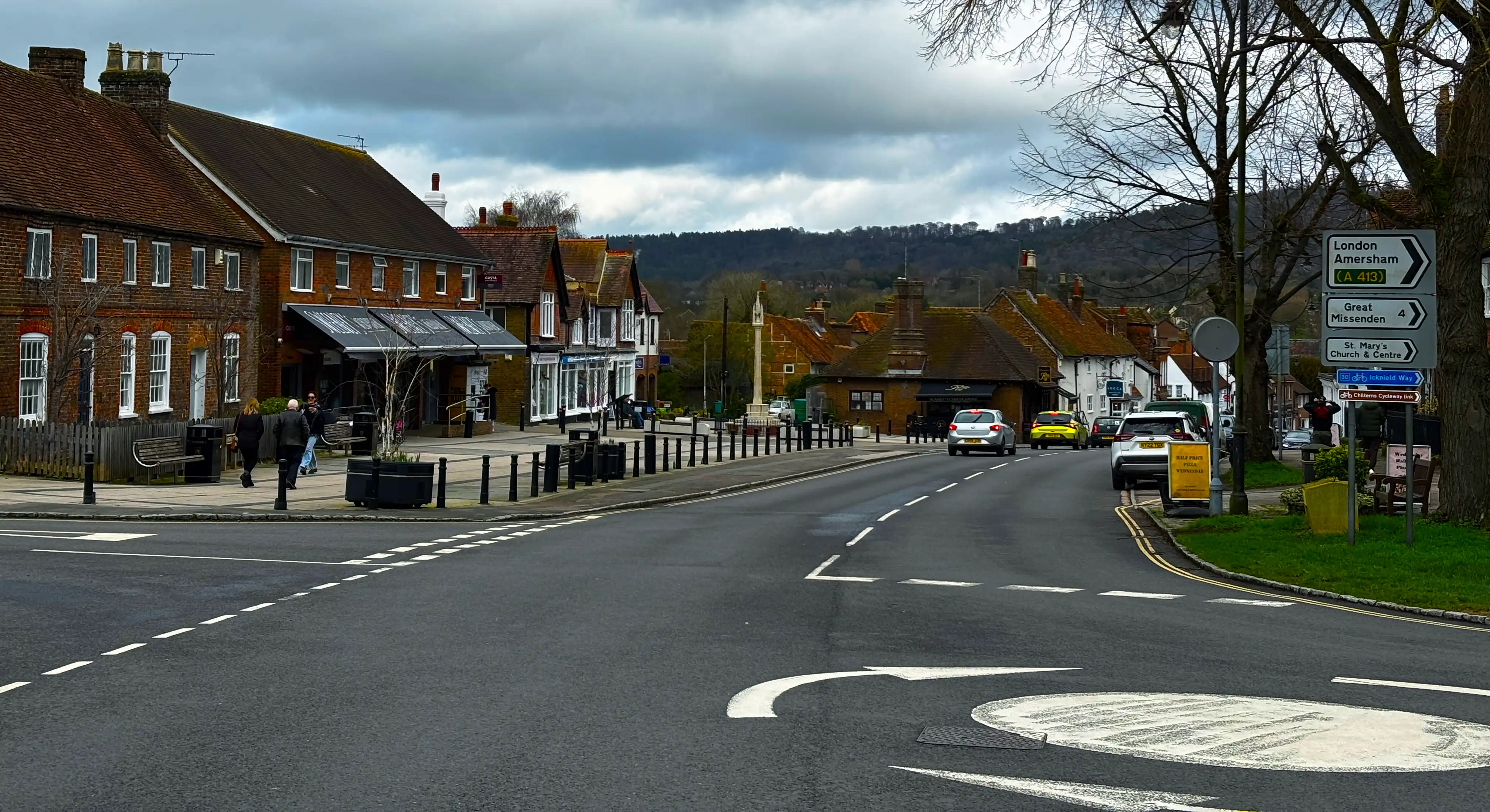
Walk through Amersham and you quickly realise it is two towns in one. The medieval town in the valley boasts unusually wide streets, timber‑framed houses, and the quiet charm of centuries past. Above, the newer town grew around the railway station, bringing commuters and contemporary life to the hilltop.
Stories Etched in Stone

History here is tangible. The martyrdom of the Amersham Martyrs—seven Protestants burned for their beliefs—remains a reminder of courage and conviction.
St. Mary’s Church, built with local flint, stands as a beacon of craftsmanship and endurance.
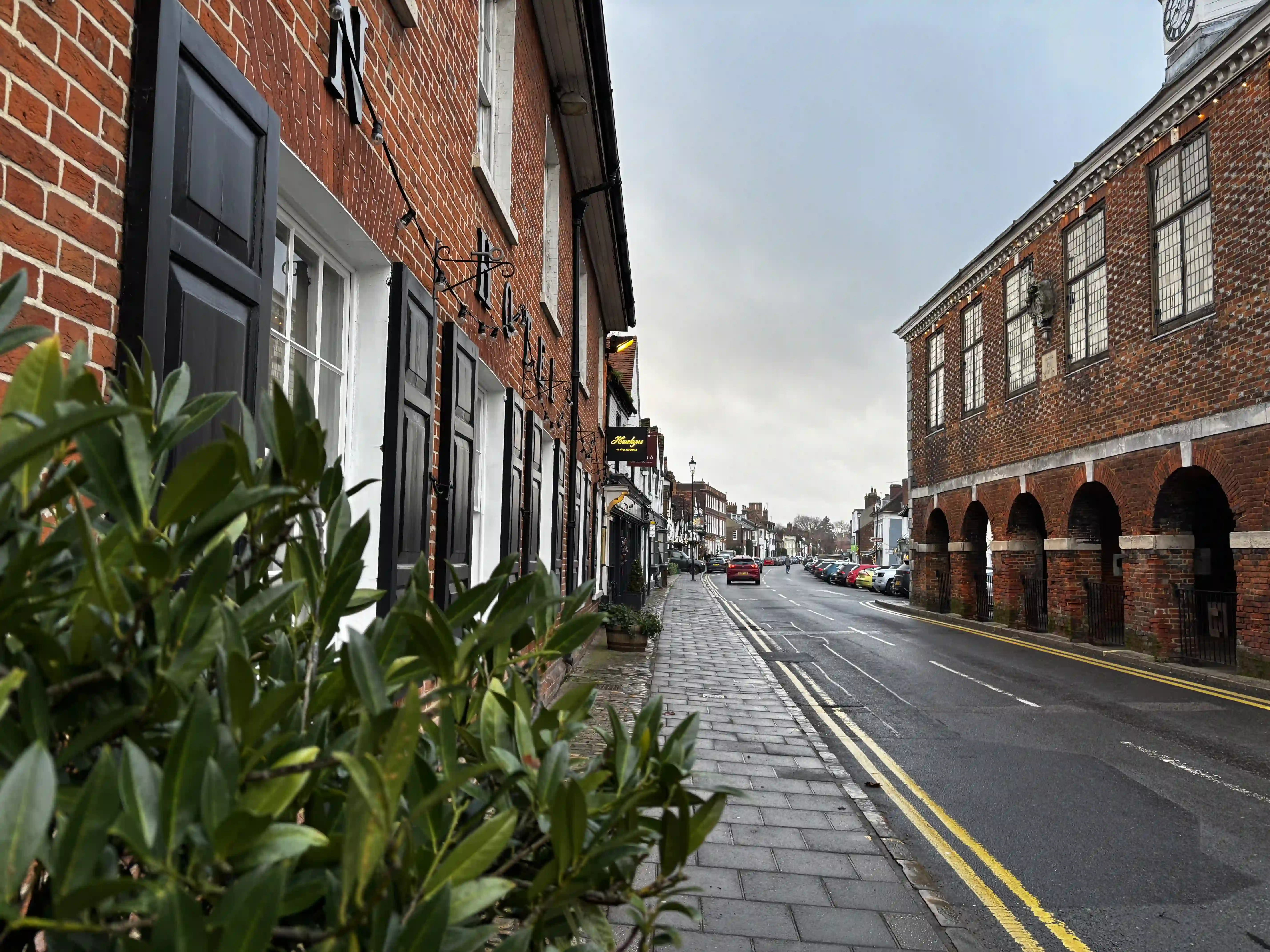
The Amersham Market Hall, completed in 1682 by Sir William Drake, is a listed building that once served as the town’s marketplace, meeting hall and civic centre — a gift to the townsfolk.
Rivers, Gardens, and Hidden Corners

The gentle flow of the River Misbourne threads through Old Amersham — a chalk stream that links the valley floor to the wider Chiltern landscape.
Behind the High Street sits the herb garden of the Amersham Museum, where plants once used for traditional remedies grow — a living nod to how life used to be before modern medicine.
Inside the museum’s medieval hall house (with later extensions) you can explore local artefacts — from lace‑making tools to historical maps and intimate glimpses into everyday life across the centuries. (Wikipedia)
From Lace to Perfume
Amersham’s industries tell fascinating stories. Its 16th‑ to 19th‑century lace production once clothed royalty and children alike — fine silk veils and flounces of black lace were staples of fashion. (Chilterns National Landscape) Later, post‑war commerce was dominated by the perfume company Goya, which set up a factory in Badminton Court (a repurposed brewery) and became a major local employer.
Goya perfumes — once a staple of British cosmetics — echo the industrial spirit of Amersham’s evolution from craftwork to commercial manufacturing. (Amersham Museum)
Modern Life and Change
Despite its historic charm, Amersham has adapted and evolved. The station‑area district — often referred to as “Amersham‑on‑the‑Hill” — grew up with the expansion of the railway, giving the town a dual identity and modern commuter links.
Today, Old Amersham remains a conservation area with over 160 listed buildings, while the newer town supports shops, cafes, and community amenities — blending suburban life with rural calm.
Why Visit
Amersham is more than a town; it is a living history. From its medieval heart to the rolling hills of the Chilterns, it invites exploration, reflection, and a sense of quiet wonder.
- Explore the evocative displays at Amersham Museum: lace, local trades, maps and more.
- Stroll the High Street and admire historic buildings like the Market Hall.
- Follow the Misbourne’s path and enjoy gardens, heritage inns and hidden corners.
- Consider the stories behind industries that shaped lives — from lace‑making to perfume manufacturing.
Take the time to wander, pause by the river, and enjoy the stories that make Amersham uniquely its own.
If you’re considering visiting Amersham, take a look at all of the things you can do by clicking here.